
Research can take a lot of time, especially when you need to find academic papers, understand complex studies, review literature, and manage references. The best AI tools for researchers can make these tasks easier by helping you discover useful papers, summarize information, analyze research, and organize your work more efficiently. These tools can save time while still allowing researchers to make their own decisions and verify important information.
Why Use the Best AI Tools for Researchers?
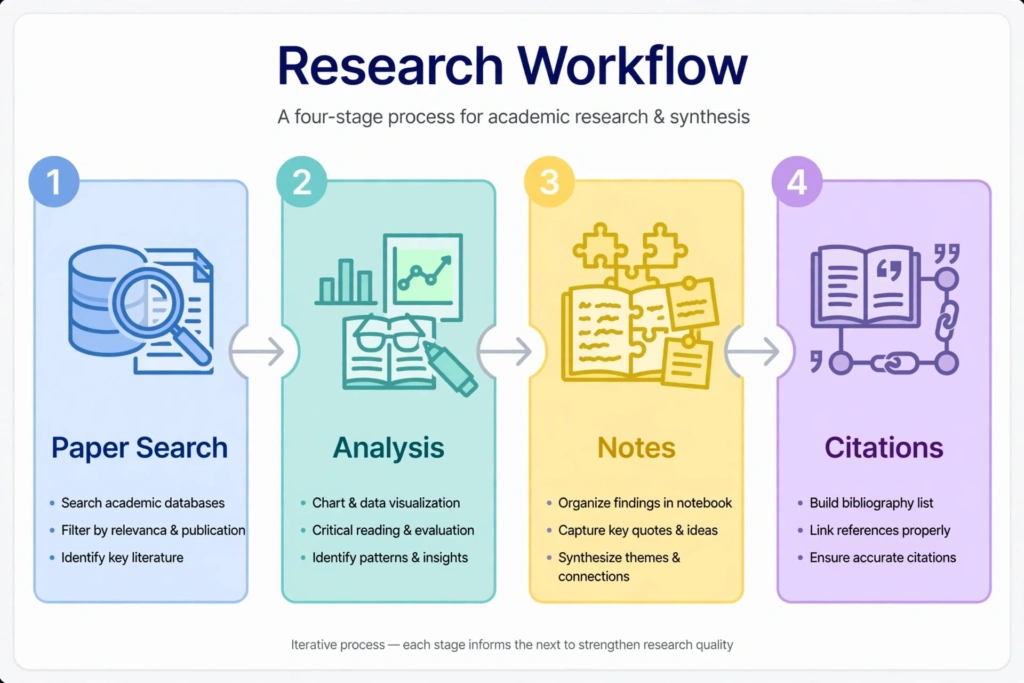
Traditional research often involves searching through multiple databases and opening dozens of research papers. Even after finding useful papers, understanding and organizing them can take a lot of time.
AI-powered research tools can help with tasks such as:
- Finding relevant research papers
- Summarizing lengthy academic papers
- Conducting literature reviews
- Discovering related studies
- Understanding difficult research concepts
- Analyzing citations
- Organizing research information
- Preparing notes and research summaries
- Improving academic writing
The main advantage is saving time without completely removing the researcher from the process.
1. Elicit – Best AI Tool for Literature Reviews

Elicit is one of the most useful AI research assistants for researchers who need to find and analyze academic papers.
Instead of simply searching for keywords, you can enter a research question and use Elicit to discover relevant papers and extract useful information from them.
It is particularly useful for literature reviews because researchers can compare information from multiple papers in a structured way. Current comparisons frequently identify Elicit as a strong option for systematic-review-style workflows and structured data extraction.
What can you use Elicit for?
- Finding relevant research papers
- Literature reviews
- Comparing multiple studies
- Extracting information from papers
- Identifying research gaps
- Organizing findings
Best for: Students, PhD scholars, academic researchers, and anyone conducting a literature review.
2. Consensus – AI Tool for Evidence-Based Research

Sometimes you don’t want to read dozens of papers just to answer one research question.
This is where Consensus can be useful.
Consensus is designed around academic research and helps users find evidence from scientific literature. Instead of providing a general internet answer, it focuses on research papers and presents information based on the available literature.
For example, you could ask a question such as:
Does regular exercise improve sleep quality?
Consensus can help you explore what published research says about the question.
Key benefits
- Research-focused search
- Evidence-based answers
- Useful paper discovery
- Helpful for comparing research findings
- Saves time during initial research
Best for: Researchers who want to quickly investigate what academic literature says about a specific question.
3. Scite – AI Tool for Research Citation Checking
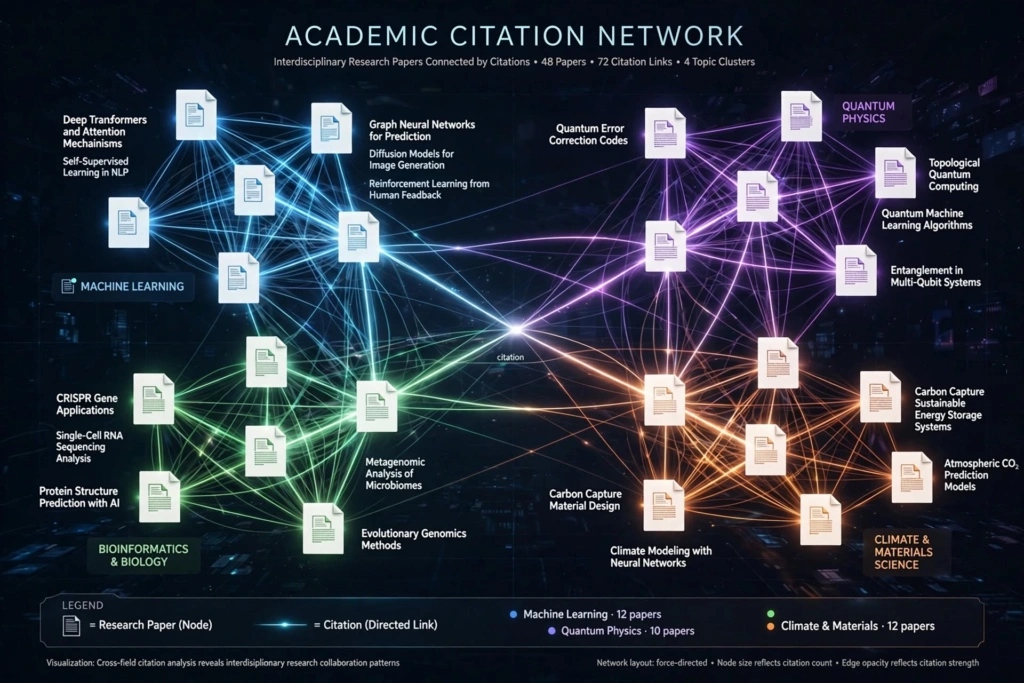
Finding a research paper is only one part of academic research. You also need to understand how other researchers have used and discussed that paper.
Scite is particularly useful for this.
Its citation analysis can help researchers understand whether later publications support, contrast with, or simply mention a particular research claim or paper. This makes it useful when checking the strength and context of citations.
Why researchers may find Scite useful
- Check citation context
- Investigate how a paper has been cited
- Find supporting studies
- Find contrasting research
- Evaluate claims before citing them
Best for: Researchers who want to verify citations and understand how a study has been discussed by later research.
4. ResearchRabbit – AI Tool for Discovering Related Research Papers
Research doesn’t always follow a straight line.
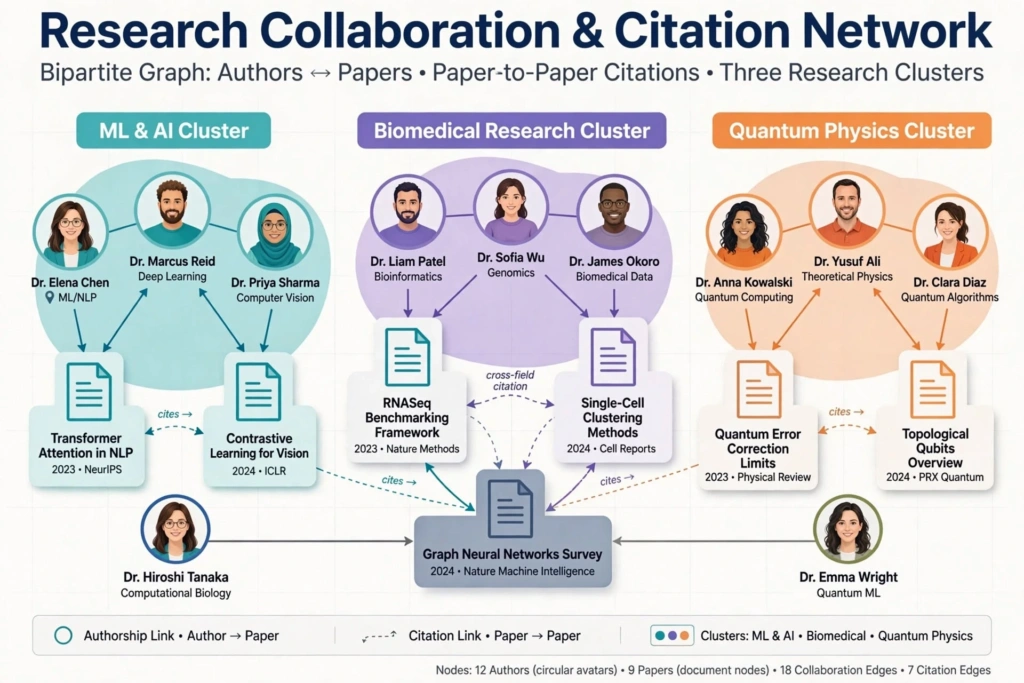
You may start with one useful paper and discover that it connects to dozens of other important studies.
ResearchRabbit helps researchers explore these connections visually. It can help you discover related papers, authors, and research networks.
This can be especially useful when you’re beginning a literature review and don’t yet know all the important papers in your field.
Useful features
- Discover related papers
- Explore research networks
- Find influential authors
- Follow citation relationships
- Build a visual research map
Best for: Literature discovery and finding papers related to a study you already know.
5. Semantic Scholar – Free AI Research Search Tool
Semantic Scholar is an academic search platform designed to help researchers discover scientific literature.
It is particularly useful when you want a free way to search for research papers and explore citations and related studies. Comparisons commonly highlight it as a strong option for broad academic paper discovery.
You can search for papers using keywords, topics, authors, or specific research questions.
What makes it useful?
- Academic paper search
- Related paper recommendations
- Citation information
- Author discovery
- Research topic exploration
Best for: Students and researchers looking for a free academic search resource.
6. SciSpace – AI Tool for Understanding Research Papers
Research papers can sometimes be difficult to understand, especially when they contain complex terminology, mathematical concepts, or technical methodologies.
SciSpace can help researchers understand academic papers by providing AI-assisted explanations and paper-focused interaction. Current comparisons describe it as particularly useful for reading and questioning individual papers.
For example, if you find a paper with a complicated methodology section, you can use an AI assistant to help explain the section in simpler language.
You can use it to:
- Understand difficult papers
- Summarize research
- Explain technical terms
- Ask questions about a paper
- Review research faster
Best for: Students and researchers who frequently work with complicated academic papers.
7. NotebookLM – AI Tool for Research Notes
You can use it to organize information from your sources and ask questions about the material you provide.
For example, if you have several research papers related to your thesis topic, you can use a document-based AI workflow to help identify important points and create research notes.
Useful for:
- Research notes
- Document summaries
- Asking questions about sources
- Comparing information
- Organizing study material
Best for: Researchers working with a collection of papers, reports, notes, or other documents.
8. ChatGPT – AI Research Assistant for Writing
ChatGPT can be useful throughout different stages of the research process.
It can help you brainstorm research questions, explain concepts, organize ideas, create outlines, analyze text you provide, and improve the clarity of academic writing.
However, researchers should be careful when using general-purpose AI for academic research. AI systems can sometimes generate incorrect information or citations, so important claims and references should always be checked against the original sources. This limitation is also noted in current academic AI-tool comparisons.
Researchers can use ChatGPT for:
- Brainstorming research topics
- Creating research outlines
- Explaining difficult concepts
- Summarizing provided text
- Improving grammar
- Organizing notes
- Generating research questions
- Preparing presentations
Best for: General research assistance and academic writing support.
9. Perplexity – AI Tool for Quick Research
Perplexity can be useful when you need to explore a topic quickly and want answers accompanied by sources.
It is particularly useful during the early stage of research when you are trying to understand a new topic, identify important concepts, and locate potentially useful sources.
However, for academic work, you should still open the original sources and verify important information before including it in your research.
Best for: Initial topic exploration and finding web-based sources quickly.
10. Zotero – Research Tool for Managing References
Finding papers is only half the job. Managing all those references can become difficult once your research project grows.
Zotero is a popular reference-management tool that can help researchers collect, organize, and cite sources.
You can create folders for different projects and organize papers and references in one place.
Why researchers use reference managers
- Organize research papers
- Store references
- Create bibliographies
- Manage citations
- Keep research sources organized
Best for: Students, researchers, thesis writers, and academics managing many references.
Best AI Tools for Researchers at a Glance

| AI Tool | Best For | Suitable For |
|---|---|---|
| Elicit | Literature reviews | Academic researchers |
| Consensus | Evidence-based questions | Students & researchers |
| Scite | Citation analysis | Academic researchers |
| ResearchRabbit | Finding related papers | Literature reviews |
| Semantic Scholar | Academic search | Students & researchers |
| SciSpace | Understanding papers | Students & academics |
| NotebookLM | Working with documents | Researchers & students |
| ChatGPT | Research assistance | Almost everyone |
| Perplexity | Quick research | Students & professionals |
| Zotero | Reference management | Researchers & thesis writers |
How to Choose the Best AI Tools for Researchers

You don’t need to use every AI research tool available. The best approach is to choose tools based on the stage of your research.
For finding research papers
Try:
- Semantic Scholar
- Elicit
- Consensus
For literature reviews
Try:
- Elicit
- ResearchRabbit
- Consensus
For checking citations
Try:
- Scite
- Semantic Scholar
For understanding papers
Try:
- SciSpace
- NotebookLM
- ChatGPT
For managing references
Try:
- Zotero
For general research assistance
Try:
- ChatGPT
- Perplexity
Using a small combination of tools is often more practical than relying on a single platform. Research-tool comparisons similarly recommend combining discovery, analysis, and citation-focused tools according to the task.
How to Use AI Tools for Academic Research Responsibly

AI can save researchers a huge amount of time, but it should not replace academic judgment.
Before using AI-generated information in a thesis, paper, or assignment, follow these steps:
1. Find the original source
Don’t rely only on an AI-generated summary.
2. Read the important sections yourself
Pay particular attention to the methodology, results, limitations, and conclusion.
3. Verify citations
Make sure the paper actually exists and supports the statement you want to make.
4. Don’t copy AI-generated text blindly
Use AI to improve your workflow rather than submitting generated content as your own academic work.
5. Protect confidential research data
Avoid uploading sensitive or unpublished research information unless you understand how the platform handles your data.
Final Thoughts on AI Tools for Researchers

The best AI tools for researchers are not necessarily the tools that generate the longest answers. The most useful tools are those that solve specific research problems.
For literature reviews, Elicit is a strong choice. For evidence-based questions, Consensus can be useful. Scite is valuable for citation analysis, while ResearchRabbit helps discover connections between papers. Semantic Scholar is useful for academic search, and SciSpace can make complicated papers easier to understand.
The most effective research workflow is usually a combination of tools rather than depending on one AI platform.
Most importantly, remember that AI should assist your research—not replace your judgment. Always check important information against the original academic sources before using it in a thesis, research paper, or publication.